
Regenerative Medicine Applications | Amniotic Fluid Stem Cells
Amniotic Fluid Stem Cells (AFSCs)
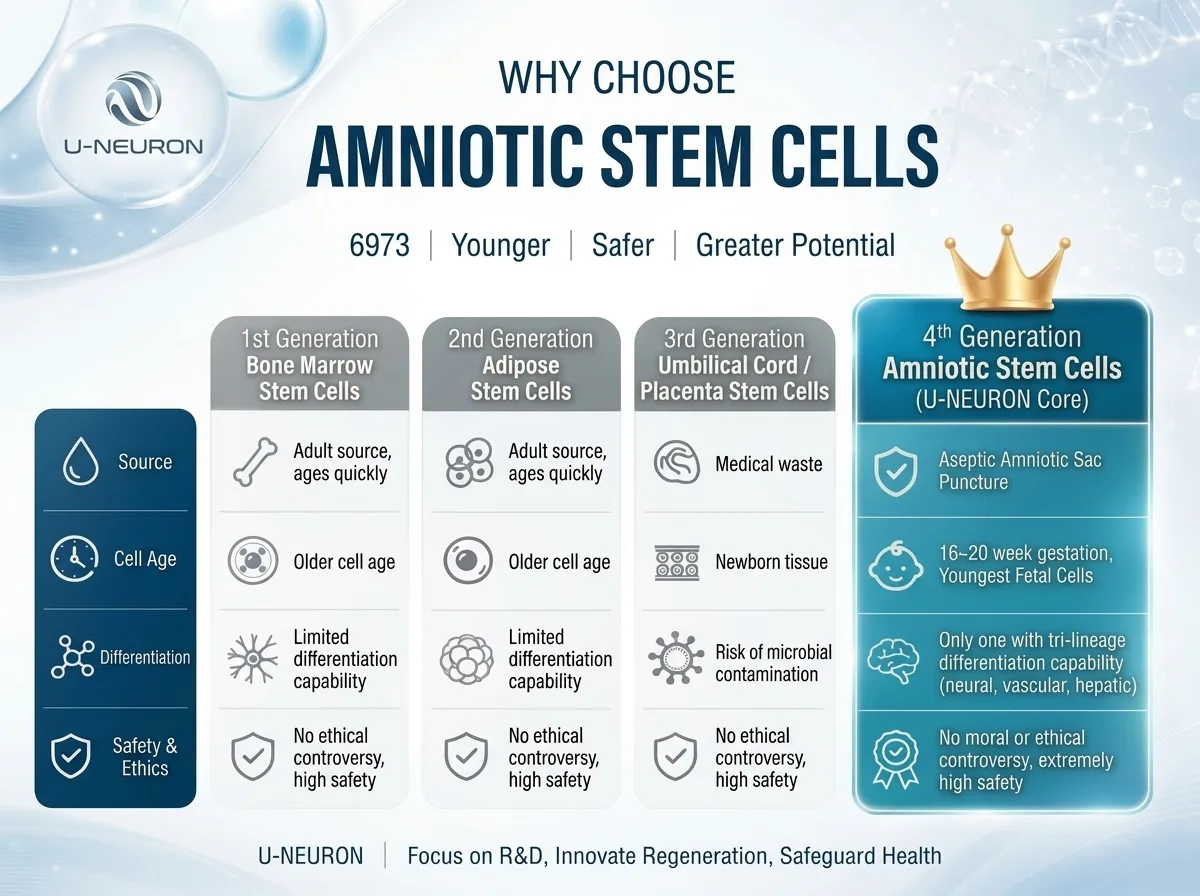
Amniotic Fluid Stem Cells (AFSCs) are considered among the stem cell types most closely resembling those found during embryonic development.They possess high proliferative capacity, multilineage differentiation potential, and favorable genetic stability.
Compared with conventional bone marrow- or adipose-derived stem cells, AFSCs are developmentally younger and may retain broader functional potential.
They can be obtained during prenatal diagnostic procedures under controlled conditions, offering potential advantages in biosafety and ethical compliance.
AFSCs exhibit differentiation potential across all three germ layers and may be developed into various tissue types, including neural, hepatic, vascular, skeletal, and muscular tissues.
These characteristics highlight their significant regenerative potential and position them as a promising area of advancement in regenerative medicine.
Exosomes — Key Vehicles for Intercellular Communication
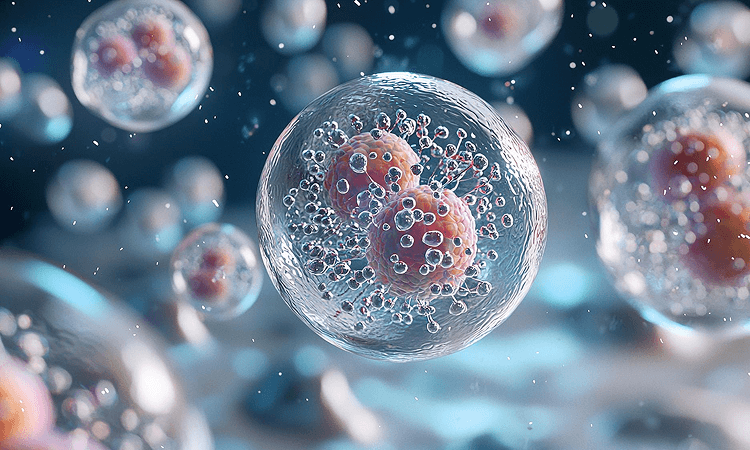
Exosomes are nanoscale vesicles (approx. 30–150 nm) actively secreted by cells. Containing proteins, nucleic acids, and microRNAs (miRNAs), they are responsible for intercellular communication and functional regulation, serving as a vital research focus in regenerative medicine and precision medicine in recent years.
Exosomes secreted by amniotic fluid stem cells inherit their “youthful and highly active” cellular characteristics, possessing:
- High biocompatibility and safety
- Superior signal transmission and regulatory capabilities
- Scalable production and stable preservation potential
- Rapid cellular communication mechanism (paracrine effect)
Therefore, they are widely applied in regenerative medicine, novel drug development, and high-end medical aesthetics & skincare.
Why Choose Amniotic Fluid Stem Cell Exosomes?
Source Determines Efficacy
“Only quality cells can secrete quality exosomes; only young cells can generate young exosomes.”
Compared to other sources, amniotic fluid stem cells possess key advantages:
Youngest cell source (16–20 weeks fetal age)
Longest telomere length, representing greater regenerative potential
Low tumorigenic risk, offering high safety
Ethicallysourced with fully compliant procurement
Broadest range of functionality and applications
Application Potential in Regenerative Medicine
Amniotic fluid stem cells and their exosomes have demonstrated significant potential across multiple areas of research, including:

Neural repair (e.g., Parkinson's disease, neurodegeneration)
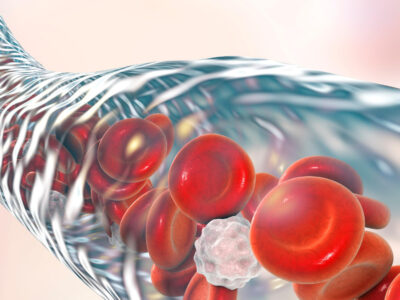
Angiogenesis and circulatory improvement

Immunomodulation and anti-inflammation

Anti-fibrosis and tissue repair

Applications in renal, cardiovascular, and metabolic diseases
Meanwhile, in the fields of anti-aging and skin repair, they are also recognized as core technologies for next-generation medical aesthetics and functional skincare.
Full Value Chain: From Cell to Application
Amniotic fluid stem cell exosomes are not merely a single raw material, but the core of a regenerative medicine platform that spans “cell source → functional design → translational application.”
Through advanced manufacturing processes and quality control, these cellular regenerative signals can be transformed into:
- Raw materials for high-end medical aesthetics applications
- Foundations for novel drug development in regenerative medicine
- Functional skincare and health products
Future Trend: Regenerative Medicine Enters the Exosome Era
With advancing technology, exosomes are gradually becoming a pivotal direction to complement and replace traditional cell therapies.
The combination of Amniotic Fluid Stem Cells × Exosomes represents far more than a mere technological upgrade—it is:
A revolutionary shift from “cell therapy” to “cell-free regenerative therapy.”